
Wolverine, and the Sweet Baby Hangover
Wokeometer rates media from “Based” to “Woke.” Return of the King scored a zero. Marvel’s Wolverine got a 9 from the audience.
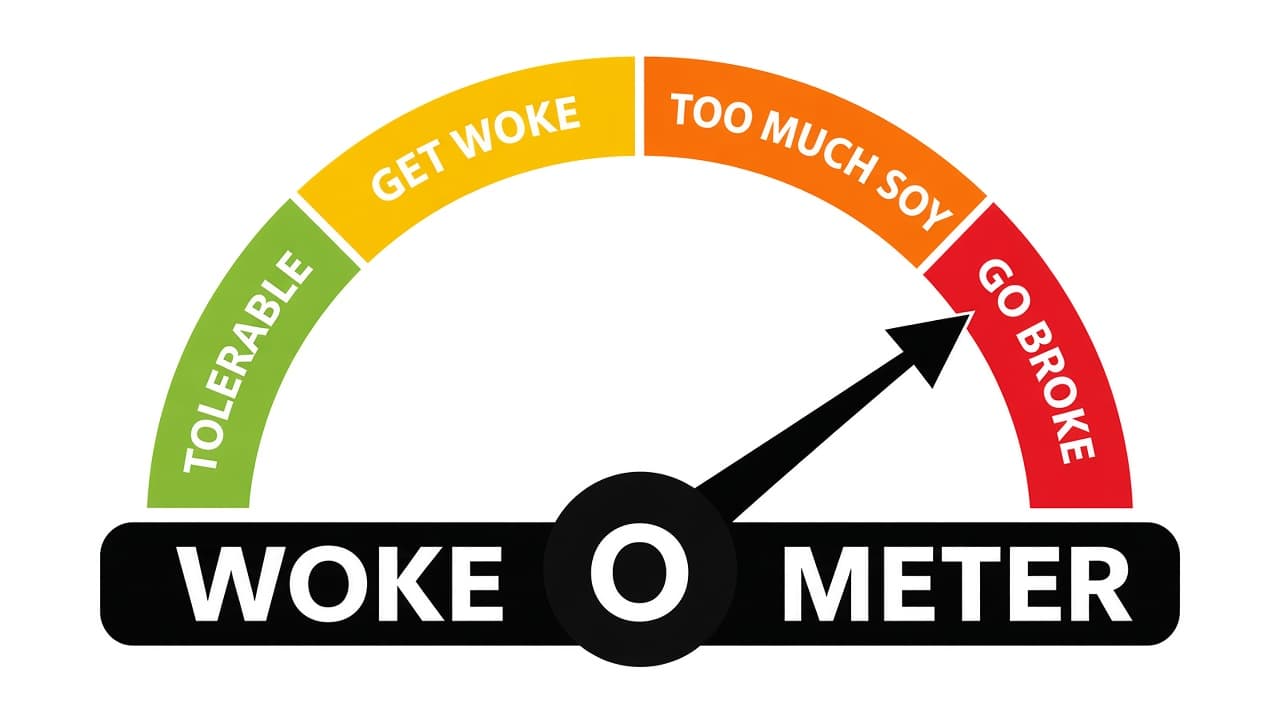
A grand score of zero out of ten. That’s what I found when looking up one of my favourite movies of all time, The Lord of the Rings: The Return of the King. Luckily, this score was on a popular new site: wokeometer.app.
Wokeometer’s purpose, in its own words, is to draw on a wide forum of evidence to identify agenda-driven content. Fair enough - “wokeness” has mostly felt like a subjective vibe check. To its credit, though, Wokeometer actually defines the term: the embedding of contemporary progressive ideology - identity politics, DEI mandates, systemic oppression narratives, and the deconstruction of traditional norms - into media in a way that prioritises ideological messaging over storytelling.
They also give concrete examples of what can push scores higher. Number one on the list: “Race-swapping, gender-swapping, or sexuality changes to already established characters without strong narrative justification.” The scale runs from 0 to 10 - zero being “Based” (virtually no progressive messaging; story-first), and ten being “Woke” (ideology is prominent or central).
Now for a modern example getting hammered by critics and streamers alike: Marvel’s Wolverine. Interestingly, Wokeometer’s own critics scored it 6/10, while the audience score sat at a staggering 9/10. Full disclosure: I haven’t played it myself - mostly because non-political reviews kept calling it too easy, including clips of streamers clearing levels without touching a controller.
That said, the Wokeometer critical write-up argues the story explicitly frames mutant oppression as a political allegory for real-world prejudice against ethnic minorities, people of colour, LGBTQ people, immigrants, and refugees, with reviewers noting contemporary parallels. Jean Grey and Mystique’s designs also drew community criticism for looking “ugly” or “masculinised,” and Wolverine and Sabretooth’s relationship apparently needed clarifying as strictly brotherly. Then the big one: Insomniac enlisted Sweet Baby Inc. for extensive narrative and cultural consulting, with CEO Kim Belair credited as Story Consultant alongside other staff.
For anyone who’s been living under a rock: Sweet Baby Inc. is a Montreal-based narrative design and consulting company founded in 2018 by Kim Belair and David Bédard. Notable credits include God of War Ragnarök, Marvel’s Spider-Man 2, Alan Wake 2, Suicide Squad: Kill the Justice League, and now Marvel’s Wolverine. Critics have long accused the studio of pushing DEI/“woke” character and story choices - loudly enough that in January 2024 a Steam curator group called “Sweet Baby Inc detected” appeared, listing games with confirmed Sweet Baby involvement as “Not Recommended.” It grew fast. When a Sweet Baby employee publicly called for the group to be reported, the Streisand effect kicked in and the follower count exploded into the hundreds of thousands. Media coverage intensified, staff reported abuse, critics accused the company of agenda-pushing, and even Elon Musk weighed in on X. There’s a much deeper rabbit hole there - but that’s a story for another day.
The older I get, the clearer it feels that the Western world swings left and right. Games like The Witcher 3 were developed in a way that clearly spoke to boring old heterosexual blokes like me. I’d be lying if I said I didn’t love that game partly because I got to play the classic bad ass hero, kill the bad guy, and choose among attractive female characters for a happily-ever-after. That doesn’t mean there isn’t room to cater to female and minority audiences. I play Call of Duty with female friends, and it’s never surprising to see them pick female skins and gun camos that match their taste.
So why not offer character options - and even whole new games with protagonists that challenge norms - sized to the audiences they can actually reach? Cosmetics, campaigns, original IPs: go for it. A few successful examples of this include Baldur’s Gate 3, Hades, and Horizon Zero Dawn - games that built fresh casts and player choice into the DNA of the story, instead of sanding down characters people already loved. But for the love of God, avoid race-swapping, gender-swapping, or sexuality changes to already established characters without a damn good story reason. It’s really not that complicated.
I remember watching the first Total Recall when I was younger - taxi driver with insanely long arms, a three-breasted woman, a psychic fetus-like mutant growing out of someone’s abdomen - and thinking the future would be weird, but really fucking cool. I still think that. We’re kind of living in it already. Let’s just not forget there’s room to cater our art forms to all kinds of audiences without torching traditional tastes. And maybe tools like Wokeometer are useful on both sides of the scale for people deciding whether a game like Marvel’s The Wolverine will be right for them.
Vernacular.
More in Games
 Games
GamesWhen Protecting Kids Starts Costing Aussie Gamers Everything
An Aussie gamers view on the growing web of online controls
 Games
GamesSaying Goodbye to an Old Friend
- and Finding Him Again in The Witcher 3 Remastered
Comments(1)
Sign in to join the conversation. You need to be 16+ with a Khaos account.
great use of the word “vernacular”!