
Lookin' Good, Playin' Good
How Fortnite Revolutionised Cosmetics in Video Games
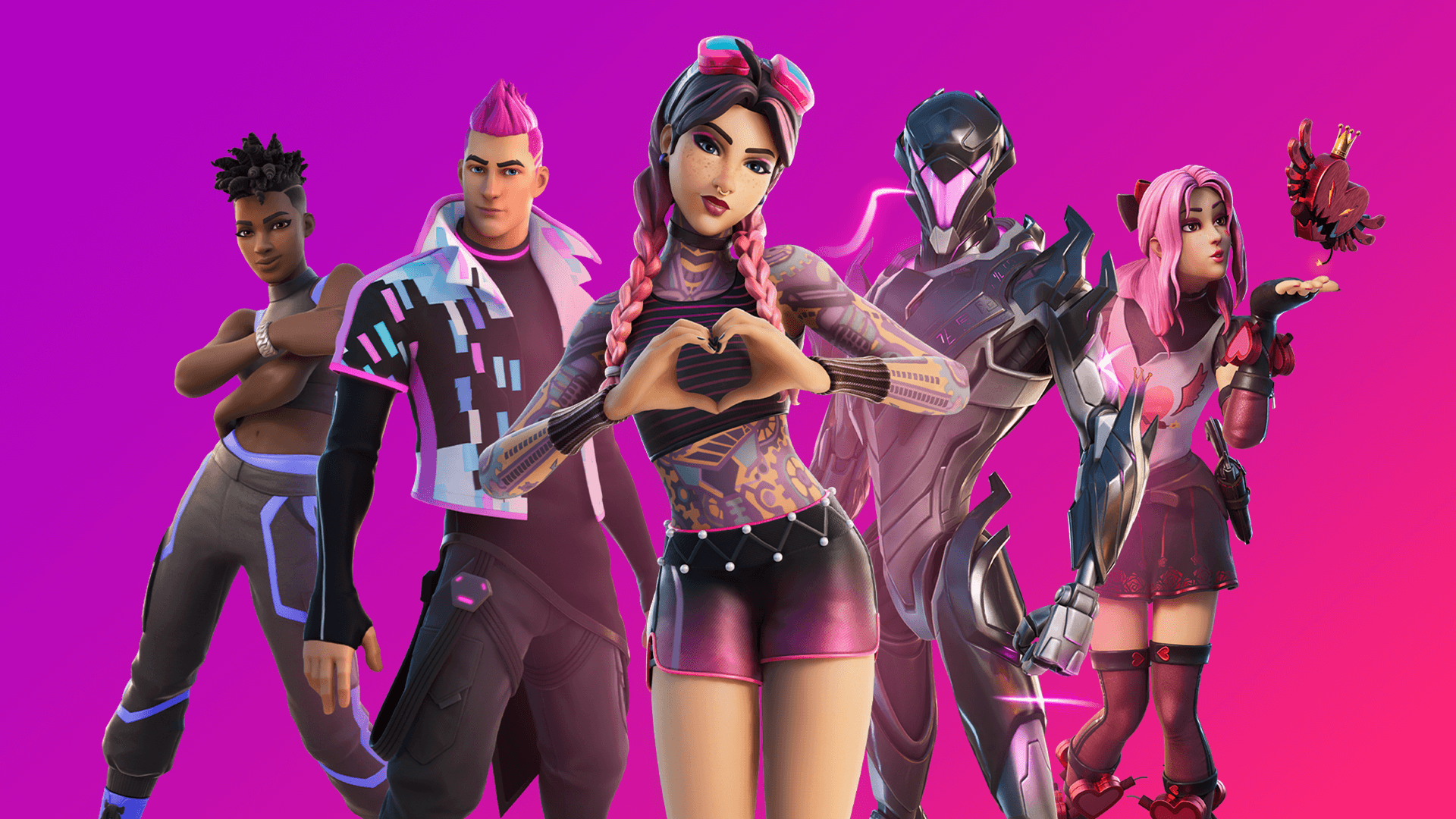
Cosmetics in video games were often seen simply as a way for developers to make money, but there was one game in particular that revolutionised, and arguably weaponised, the use of cosmetics within its game. When Fortnite exploded onto the gaming scene in 2017, it didn't invent skins, micro-transactions, or even battle passes. What it did, however, was combine these elements so effectively that it changed the way we, as players, thought about cosmetics in video games. Before Fortnite, a cosmetic was usually just that - something that made your character look different. Fortnite turned cosmetics into identity, status and even a reason to keep pressing play.
Because the game itself was free, the idea of people spending money on cosmetics instead of purchasing the game became a powerful business model. Players didn't need to purchase advantages over one another, instead, spent their money enhancing their experience through the appearance of their characters, pickaxes, gliders and emotes. Despite offering no competitive advantage, cosmetics became some of the most desirable aspects of the game, largely because every player could see them. Fortnite championed the idea of identity over advantage, positioning itself at the forefront of a massive cultural and financial blueprint that would go on to influence countless other live-service games, such as Call of Duty and Apex Legends.
Then came the Battle Pass. Rather than simply buying a cosmetic in the Item Shop and gaining immediate access to it, Battle Passes became a form of rite of passage: players purchased them and then worked their way through tiers to unlock a collection of cosmetics. Battle Passes transformed cosmetics from something that could simply be bought into something that could be earned, while introducing ideas of exclusivity and in-game status surrounding cosmetic ownership. Certain cosmetics became status symbols, particularly those associated with earlier seasons; celebrated by players who have been fortunate enough to be there at the time, allowing the game to leave a mark on them. Much like fashion in the real world, cosmetics within gaming became a means of expressing and communicating personality, interests and status.
Emotes took this concept even further, turning cosmetics into a form of communication and self-expression. Players could dance, celebrate, taunt opponents, joke around with friends, or simply stand around doing something ridiculous. Fortnite also remained closely connected to popular culture, frequently incorporating songs, dances, celebrities and other cultural trends into its cosmetics. By tapping into trends such as popular TikTok dances, Epic Games created another way to remain relevant to its audience and make its cosmetics feel connected to the world outside of the game. With this, your character wasn't just wearing your identity; it was performing it.
The real revolution, however, came from Fortnite not inventing these individual ideas, but connecting them together. Free-to-play access and a unique objective (building) created a huge player base. Cosmetics gave players a way to express themselves. The Battle Pass gave them something to work towards. The Item Shop created desire and urgency, while seasons and limited-time content introduced a sense of exclusivity. Together, these systems created an ecosystem in which playing the game and purchasing cosmetics continually reinforced one another and kept the game more alive than ever.
Ultimately, Fortnite proved that in gaming, you don't always have to sell players something that makes them better to keep them coming back. Sometimes, you just have to give them something that makes them look and feel cooler. By turning cosmetics into a form of identity, status and self-expression, Fortnite transformed the humble video game skin into a billion-dollar cultural phenomenon. The Battle Pass, Item Shop and endless collaborations didn't change how players spent money; they changed what players wanted to prioritise in the first place. Fortnite didn't change the game - it changed what it meant to dress for it.
More in Games
 Games
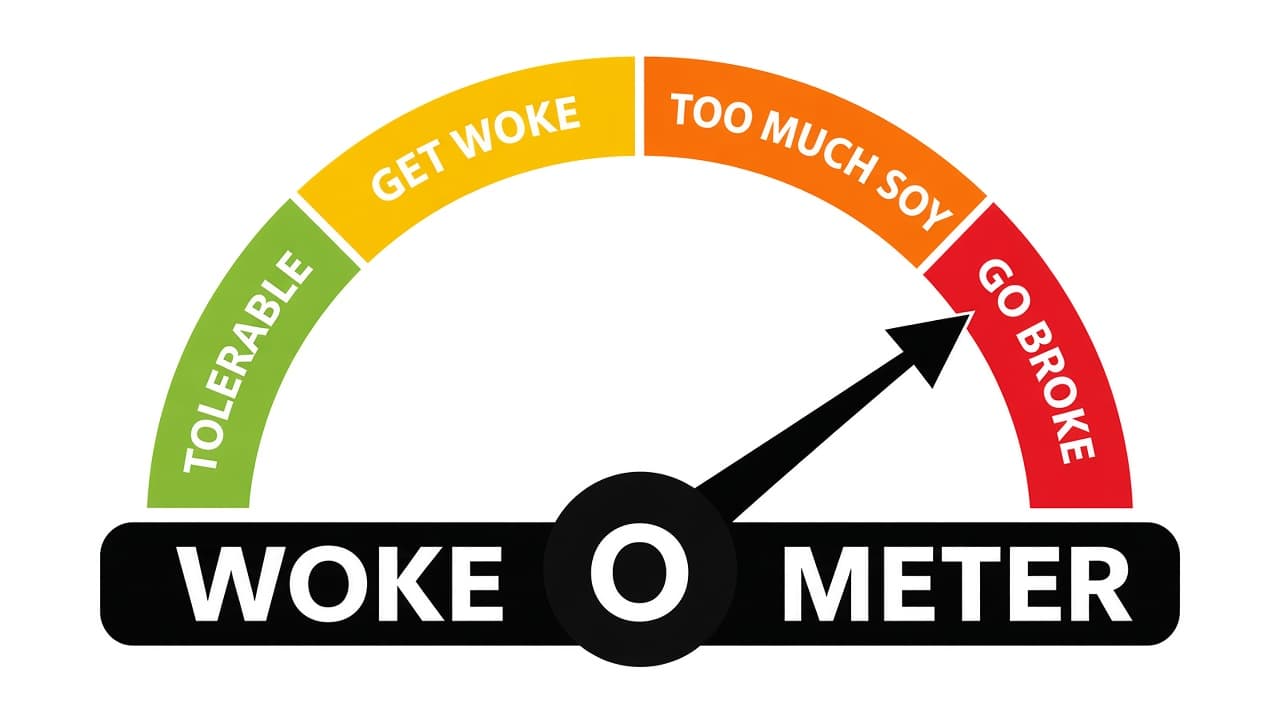
GamesWolverine, and the Sweet Baby Hangover
Wokeometer rates media from “Based” to “Woke.” Return of the King scored a zero. Marvel’s Wolverine got a 9 from the audience.
 Games
GamesWhen Protecting Kids Starts Costing Aussie Gamers Everything
An Aussie gamers view on the growing web of online controls
 Games
GamesSaying Goodbye to an Old Friend
- and Finding Him Again in The Witcher 3 Remastered
Comments
Sign in to join the conversation. You need to be 16+ with a Khaos account.
No comments yet — be the first.